
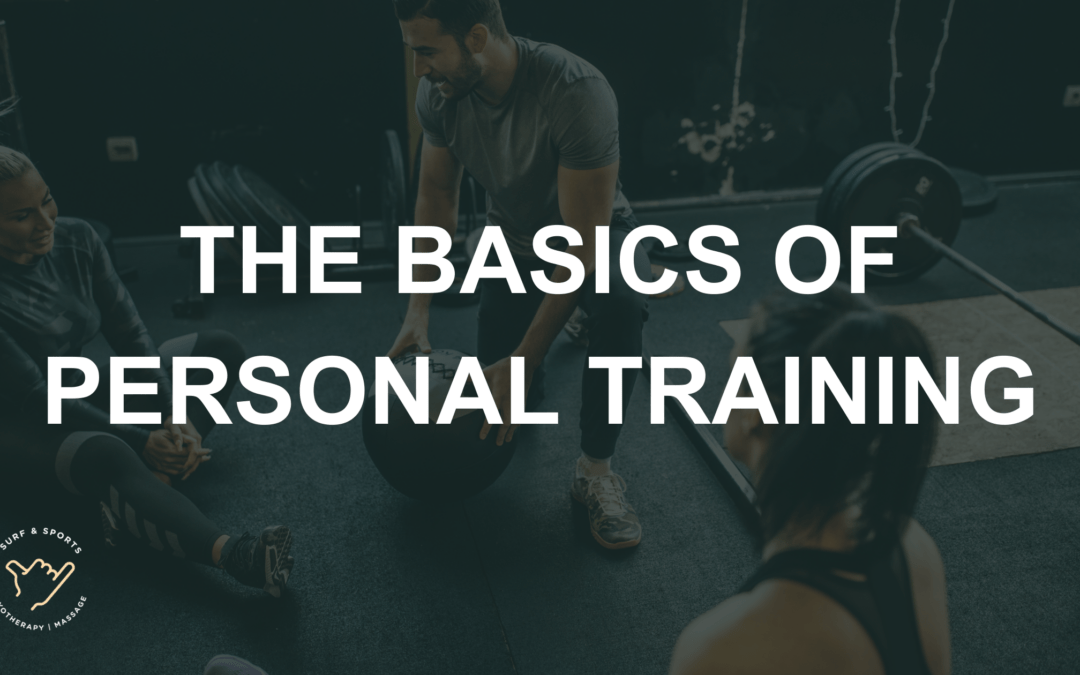
Personal training is not just about building muscles or achieving a dream physique—it’s about creating a sustainable path to health and wellness. Whether you’re seeking to recuperate from an injury, improve your athletic performance, or simply adopt a healthier lifestyle, personal training can significantly impact your goals.
In this article, you’ll learn the essentials of personal training, its benefits, and how it integrates with services like myotherapy, sports massage, and physiotherapy.
What is Personal Training?
Personal training involves customized fitness programs designed by certified trainers to meet individual goals.
Unlike general workout routines, personal training focuses on:
- Assessing your current fitness level.
- Setting realistic, achievable goals.
- Designing a tailored workout plan.
- Providing ongoing support and motivation.
Key Features of Personal Training:
- Individualized Approach: Every person has unique needs, and personal trainers adapt plans accordingly.
- Professional Guidance: Trainers ensure correct techniques to prevent injuries.
- Goal Tracking: Regular evaluations keep you on track and adjust programs as needed.
Benefits of Personal Training
The benefits of personal training extend beyond physical fitness.
Here’s a breakdown:
Physical Benefits:
- Improved strength, flexibility, and endurance.
- Faster recovery from injuries with tailored exercises.
- Prevention of chronic conditions like obesity and diabetes.
Mental Benefits:
- Reduced stress and improved mental clarity.
- Boosted confidence and self-esteem.
- Enhanced overall well-being.
Comparing Personal Training to Other Wellness Services
Complementary Services:
Personal training works synergistically with services like:
- Myotherapy: Relieve muscle tightness to enhance workout performance.
- Dry Needling: Accelerate recovery and reduce pain for optimal training results.
Evidence-Based Insights
Studies show that many health professionals include exercise programs in their programming because incorporating physical activity into as many aspects of daily living as possible can provide many physiological, psychological, and social benefits.
To quantify the efficacy of personal training, researchers have compared the outcomes of two groups: one with a personal trainer and the other with minimal supervision. Over the course of 24 weeks, the personal trainer group demonstrated significantly higher exercise session adherence (84% vs. 69%). (The Effectiveness of Personal Training on Changing Attitudes Towards Physical Activity).
Real-Life Applications
Meet Sarah, a 35-year-old professional recovering from a shoulder injury. Combining personal training with dry needling and physiotherapy, Sarah regained full mobility within three months while achieving her fitness goals.
Similarly, athletes like John integrate sports massage into their training routine to prevent injuries and enhance performance.
Conclusion
Personal training offers a holistic approach to wellness, addressing both physical and mental health goals. By integrating complementary services like myotherapy and physiotherapy, clients experience enhanced results and faster recovery.
Whether you’re a beginner or an athlete, personal training is a powerful step toward a healthier, more fulfilling life.
Take the first step today and unlock your potential with expert personal training.
Are you ready to transform your health and wellness? Visit our services page or book an appointment now and start your journey with confidence.
Opening hours: Monday–Friday 08:00–19:00 | Saturday 08:00–16:00 Location: 3/14 Thomas St, Noosaville QLD 4566

About the Author
Gary Javonena is the founder of Surf & Sports Myotherapy and holds an Advanced Diploma of Myotherapy from RMIT University.
Gary’s clinical work includes the assessment of complex musculoskeletal presentations in which referred pain, postural dysfunction, and systemic contributors intersect — including cases in which gastrointestinal function directly contributes to lumbar pain patterns. Meet the full team.
Related posts
Alcohol and Muscle Recovery: What Happens to Your Body the Day After Drinking
Most people are aware that drinking heavily the night before training is not ideal. What is less...
Dehydration and Muscle Soreness: How Much Water Actually Matters for Recovery
The relationship between hydration and muscle soreness is more specific than the general advice to...

Vitamin D Deficiency and Chronic Muscle Aches – A Hidden Cause
Queensland is one of the sunniest places on Earth, and the Sunshine Coast lives up to its name —...