
Marathon prep asks a lot from the body: repeated impact, long runs, and a steady build in volume. For many people, smart recovery habits can make training feel more manageable and more consistent. One option some runners consider is remedial massage marathon training support—used as part of a broader approach that includes good programming, sleep, and sensible load management.
Why runners use remedial massage during marathon prep
A well-timed massage can be useful when training volume increases and the legs start to feel heavy. Many marathon runners describe a mix of soreness, tightness, and general muscle tension—especially after longer sessions or faster workouts.
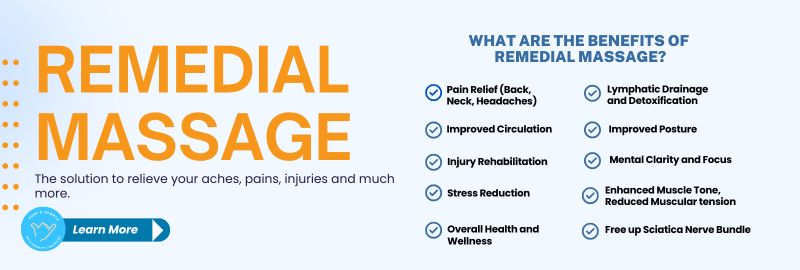
In simple terms, massage is often used to:
- Support comfort when muscle soreness builds up
- Help you feel looser around key areas like calves, hips, and hamstrings
- Encourage circulation (often described as improving blood flow)
- Make recovery routines feel more consistent and intentional
Some people include remedial massage as part of that recovery routine.
What massage may help with (and what to be careful about)
Massage is not a replacement for a good training plan, and it can’t fix everything. But it may help reduce discomfort and help you stay on track when training gets demanding.
Evidence in this area can be mixed depending on the outcome being measured, which is why it helps to keep expectations realistic and focus on what you notice in your own training week. If you like to sanity-check health claims, a readable summary article on whether massage can aid recovery after an event can be a helpful starting point.
Common training-phase goals include:
- Reducing perceived stiffness after harder sessions
- Helping you feel more comfortable during your next run
- Supporting general recovery as part of training and recovery habits
A key point: if pain is sharp, worsening, or changing your gait, it’s worth getting assessed rather than trying to push through.
How remedial massage fits into a marathon training routine
Think of massage like a tool you place around your training schedule, not something you do randomly.
Here are simple timing options many runner-types find workable:
- During build weeks: a session every 2–3 weeks to manage accumulating fatigue
- During peak blocks: slightly more frequent sessions if your training load is high
- Taper period: lighter work to help you feel fresh without leaving you tender
- After the event: gentle work once the initial soreness settles
If you’re booking, keep it practical: choose a time when you can recover after the session and avoid stacking it right before a key workout.
What techniques are commonly used
Different bodies respond differently, and there are many types of massage. In a remedial setting, your therapist may use pressure and pacing based on how you’re presenting that day.
Some people ask for a deep tissue massage, but deeper isn’t always better—especially during intense blocks. A skilled approach can include:
- Work on soft tissue around overloaded areas
- Targeting specific muscle groups that are taking the brunt of your mileage
- Addressing muscle knots and sensitive points (often called a trigger point)
- Gentle myofascial release where it suits the presentation
If you want a research-backed overview (without using a library search page), this open-access review in Frontiers in Physiology—Massage alleviates delayed onset muscle soreness after strenuous exercise —is one example of the kind of paper people read when they want more detail.
Stress can also show up as jaw tension for some people, and TMJ and jaw pain is one example where people look for hands-on support.
Common runner issues, massage is often used alongside
Massage is often paired with sensible training choices and strength work. It’s also commonly discussed in the same breath as injury management—not as a stand-alone fix, but as one part of a bigger plan.
A few examples that come up in marathon prep:
- Iliotibial band syndrome flare-ups during higher mileage
- Shin splints symptoms when the load increases too quickly
- Plantar fasciitis irritation when calf and foot capacity is lagging
- General overuse patterns from repetitive running
If any of these are part of your current training block, these reads may help you think through next steps:
Race-week and race-day considerations
In the final week, keep things conservative. Many runners prefer lighter work so they feel ready rather than tender.
If you do book close to race day, aim for:
- Lower intensity pressure
- A focus on comfort and mobility rather than chasing soreness
- Enough time to settle before the event
Book online
If you’d like to include massage as part of your prep, online booking is the simplest way to lock in a time.
This article is general information and isn’t a substitute for individual assessment.
Opening hours: Monday–Friday 08:00–19:00 | Saturday 08:00–16:00 Location: 3/14 Thomas St, Noosaville QLD 4566

About the Author
Gary Javonena is the founder of Surf & Sports Myotherapy and holds an Advanced Diploma of Myotherapy from RMIT University.
Gary’s clinical work includes the assessment of complex musculoskeletal presentations in which referred pain, postural dysfunction, and systemic contributors intersect — including cases in which gastrointestinal function directly contributes to lumbar pain patterns. Meet the full team.
Related posts

Is Remedial Massage Safe During Pregnancy? Trimester-by-Trimester Guide
Executive Summary: Remedial massage is generally considered safe during pregnancy, but what's...
Remedial Massage for Seniors: Benefits for Mobility and Pain Relief
Executive Summary: Remedial massage can be genuinely useful for older adults, but only when it's...

The Science Behind Remedial Massage: Evidence-Based Benefits
Executive Summary: Remedial massage works by physically changing the state of your soft tissues...