
Noosa is known for world-class sporting events and a strong health and wellbeing culture. If you’re racing the Noosa Triathlon as a weekend warrior or a seasoned athlete, massage can help, but timing matters.
Pre-event and post-event massage therapy are two different tools. One is about readiness. The other is about recovery. This guide explains the difference in plain English and how a qualified remedial massage therapist may tailor a plan to meet the unique needs of each individual.
The simple rule: don’t ask one session to do two jobs
A relaxing massage right before a race can feel wonderful, but it may not match your wellness goals on race day. And deep tissue massage immediately after the finish line can be too much for sensitive soft tissue.
Think of it like this:
- Pre-event sports massage is about priming the system for physical activity.
- Post-event remedial massage is about settling the system down and supporting recovery.
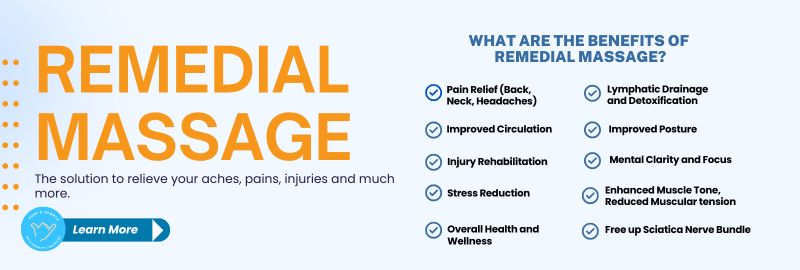
Pre-event massage: “wake things up, don’t wear things out.”
Pre-event sports massage in Noosa is usually lighter and more stimulating than a recovery session. The goal is to reduce muscle tension, improve flexibility and range of motion, and help you feel ready to move.
When to book
Most athletes do well with pre-event work 2 to 5 days before race day. Too close and you risk soreness. Too far away, and you may not feel the benefit.
What it can include
A massage therapist may use massage techniques such as:
- Lighter sports massage strokes to encourage blood flow
- Stretching and mobilization to open up key areas of the body
- Gentle techniques and trigger point work (trigger point therapy) if there are obvious areas of concern
Pre-event work is not the time for deep-tissue massage that targets deeper layers of muscle aggressively.
Who it suits most
- Athletes who feel “tight but not injured”
- People who want a calm, focused body and mind state without feeling sedated
- Anyone trying to prevent injuries during a heavy training block
Post-event massage: “downshift and clean up the mess”
Post-event massage focuses on pain and discomfort, stiffness, and the heavy-legged feeling that can show up after swim-bike-run.
When to book
A common approach is
- Same day: a lighter recovery session once you’ve cooled down, eaten, and rehydrated
- Next 24 to 72 hours: a more targeted remedial massage session, depending on how you pull up
If you’re recovering from an injury, or you’ve had a sprain or flare-up in training (for example lower back pain), tell your therapist before they start.
What it can include
Post-event remedial massage may include:
- Remedial massage techniques for soft tissue overload
- For stubborn hot spots (calves, hip flexors, shoulders), trigger point therapy may be used.
- Swedish massage elements for relaxation and stress relief
- Gentle manual therapy approaches, plus stretching and mobilization where appropriate
If you want a deep-tissue massage, it’s usually better once the initial tenderness settles.
Deep tissue, Swedish, and relaxation: which type of massage fits when?
Different labels get used across massage Noosa clinics and myotherapy practices. Here’s a practical way to think about it.
- Sports massage: often used pre-event and during training; supports readiness and maintenance.
- Remedial massage: more assessment-driven; targets specific areas of concern and individual needs.
- Swedish massage / relaxation massage: useful when the nervous system needs a reset; supports relaxation and stress relief.
- Deep tissue massage/deep-tissue massage: targets deeper layers of muscle; best used selectively and timed well.
A good plan can include more than one approach across race week.
How to choose if you can only do one session
If you can only schedule a single session during the Noosa Triathlon, many athletes find greater benefits from post-event work, particularly those who are weekend warriors, prone to chronic tightness, or seeking pain relief.
If you’re already managing an issue, physiotherapy may be the better first step, with massage therapy as part of the wider plan.
What to look for in a therapist in Noosa
To meet the unique needs of triathlon athletes, look for:
- A diploma of remedial massage (or equivalent)
- A qualified remedial massage therapist who can tailor pressure and techniques
- Experience with sports massage in Noosa, myotherapy, and coordination with physiotherapy
If a massage business promises to “accelerate recovery” or guarantee athletic performance outcomes, treat that as marketing. Better language is: massage helps support recovery and may improve comfort, movement, and readiness.
Opening hours: Monday–Friday 08:00–19:00 | Saturday 08:00–16:00 Location: 3/14 Thomas St, Noosaville QLD 4566

About the Author
Gary Javonena is the founder of Surf & Sports Myotherapy and holds an Advanced Diploma of Myotherapy from RMIT University.
Gary’s clinical work includes the assessment of complex musculoskeletal presentations in which referred pain, postural dysfunction, and systemic contributors intersect — including cases in which gastrointestinal function directly contributes to lumbar pain patterns. Meet the full team.
Related posts

Is Remedial Massage Safe During Pregnancy? Trimester-by-Trimester Guide
Executive Summary: Remedial massage is generally considered safe during pregnancy, but what's...
Remedial Massage for Seniors: Benefits for Mobility and Pain Relief
Executive Summary: Remedial massage can be genuinely useful for older adults, but only when it's...

The Science Behind Remedial Massage: Evidence-Based Benefits
Executive Summary: Remedial massage works by physically changing the state of your soft tissues...