
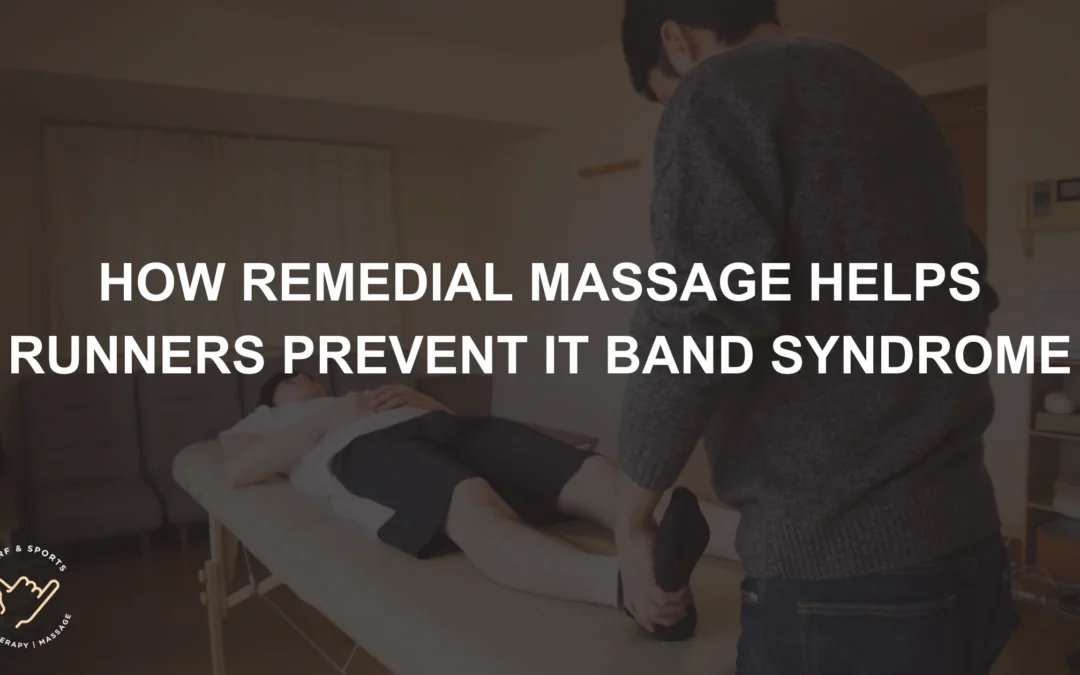
Remedial massage for runners is one of the most effective tools for preventing iliotibial band syndrome — a soft tissue overuse injury that stops recreational joggers and competitive marathon athletes alike in their tracks.
At Surf & Sports Myotherapy in Noosaville, the team regularly works with Sunshine Coast runners dealing with lateral knee pain caused by iliotibial band tightness.
Through targeted soft tissue work, deep tissue massage, and trigger point therapy, remedial massage addresses the fascia restrictions, muscle imbalances, and adhesions that drive IT band syndrome before they derail a training routine.
Key Takeaways
- IT band syndrome develops from accumulated soft tissue tension, fascia tightness, and hip and glute imbalances — not from a single incident.
- Remedial massage targets the underlying problem areas directly, improving range of motion and stride efficiency
- Regular massage between hard training sessions reduces muscle fatigue and helps clear metabolic waste like lactic acid from overworked muscle tissue
- A qualified massage therapist will use a combination of deep tissue massage, trigger point therapy, and myofascial release to keep running injuries at bay
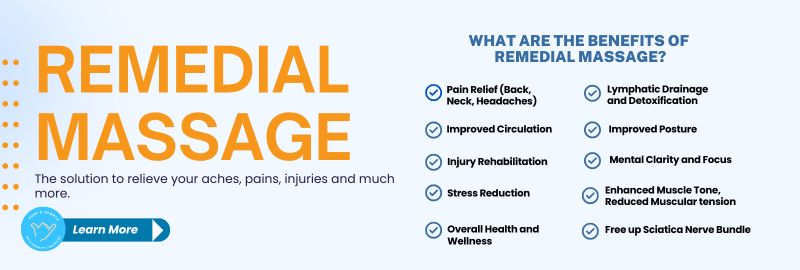
What Is IT Band Syndrome and Why Do Runners Get It?
Iliotibial band syndrome is a connective tissue overuse injury affecting the iliotibial band — a thick strip of fascia running along the outer thigh from the hip to just below the knee. In runners, repetitive hip flexion and knee extension causes the iliotibial band to repeatedly compress against the lateral femoral condyle, creating friction, inflammation, and sharp lateral knee pain.
The iliotibial band does not stretch like a muscle. When the soft tissue structures surrounding it — particularly the tensor fasciae latae, gluteus medius, and hip flexors — become tight or develop adhesions, they pull the band into a progressively more compressed position with every stride. The result is referred pain in the muscle tissue and outer knee that tends to worsen with distance.
Several factors increase a runner’s risk. Weak hip abductors, tight hamstrings, calf overload, running on cambered surfaces, and a sudden spike in training volume all contribute. Neglecting soft tissue maintenance between hard training sessions is another common factor — and that is precisely where remedial massage helps. For a practical look at prevention strategies alongside soft tissue treatment, see the team’s guide on tips to prevent IT band syndrome for runners.
How Remedial Massage Targets the Root Cause of IT Band Problems
Remedial massage is a form of manual therapy designed to assess and treat specific musculoskeletal dysfunctions — not simply provide relaxation. Where a relaxation massage works at the surface level, remedial massage targets the superficial and deep layers of muscle tissue to identify and address the dysfunction driving a runner’s pain.
A qualified massage therapist will use deep pressure, sustained soft tissue mobilisation, and specific massage technique to work through the iliotibial band’s associated structures — the hip, glutes, tensor fasciae latae, hamstring, and lateral quadriceps. Remedial massage targets the fascial restrictions and muscle knots that accumulate through a runner’s training load and compromise both stride efficiency and tissue health.
Releasing Adhesions and Restoring Fascial Mobility
One of the primary mechanisms through which massage therapy helps runners with IT band syndrome is the treatment of adhesions. Muscle adhesions form when muscle fibres and surrounding connective tissue bond together abnormally — often as a result of hard training, micro-trauma, or insufficient recovery. Deep tissue massage releases these adhesions and reduces scar tissue that impacts the ability of the iliotibial band and surrounding fascia to glide freely.
By working through adhesions with their hands, therapists restore normal tissue movement. This directly reduces the compressive load on the iliotibial band during each stride and lowers the risk of symptoms returning after the next run.
Deactivating Myofascial Trigger Points
Myofascial trigger points — hyperirritable knots within skeletal muscle — are a consistent finding in runners presenting with IT band syndrome. Active trigger points in the tensor fasciae latae and gluteus medius refer pain down the outer thigh and knee, closely mimicking the pain pattern of iliotibial band friction syndrome.
Trigger point therapy applies direct, sustained pressure to deactivate these trigger points, reducing referred pain and restoring normal muscle tone. According to published research via the National Institutes of Health, trigger point treatment effectively reduces both localised and referred pain patterns when combined with broader soft tissue intervention. Paired with deep tissue massage across the hip and lateral thigh, trigger point work significantly reduces the tension load placed on the iliotibial band during running.
Improving Blood Flow and Clearing Metabolic Waste
Hard training sessions generate metabolic waste like lactic acid and other by-products that accumulate in fatigued muscle tissue. Regular massage stimulates circulation and accelerates the removal of metabolic waste, helping muscle tissue recover more completely between sessions.
Improved blood flow also supports the delivery of oxygen and nutrients to the fascia and connective tissue surrounding the iliotibial band — tissue that receives relatively poor circulation compared to skeletal muscle and therefore recovers more slowly without intervention.
What a Remedial Massage Session for IT Band Syndrome Looks Like
At Surf & Sports Myotherapy, an initial session for a runner presenting with IT band symptoms begins with a brief movement and load assessment before any hands-on work starts. This is what separates remedial massage from general sports massage or relaxation massage — the treatment is built around the individual runner’s pattern, not a generic protocol.
A session typically works through:
- The hip and glutes — releasing tension in the tensor fasciae latae, gluteus medius, and hip flexors that directly load the iliotibial band
- The lateral quadriceps and IT band attachment points — using deep tissue massage to work through fascial tightness without aggressive direct compression on the band itself
- The hamstring and calf — addressing the downstream muscle tension that can alter gait mechanics and load the outer knee
- Trigger point sites — deactivating active myofascial trigger points across the hip and outer thigh
From the Clinic “IT band syndrome is often treated like a local knee problem — but the knee is rarely where the real issue lives. The tightness pattern almost always traces back to the hip and glutes. Working the full chain, rather than just the symptomatic area, is what makes the difference between short-term relief and results that hold up through a full training block.”
Remedial Massage vs Sports Massage for Runners: Which One Do You Need?
Both modalities benefit runners, but they serve different purposes at different points in training. The table below outlines the key differences.
Remedial Massage | Sports Massage | |
Primary goal | Assess and treat a specific dysfunction or injury | Support performance, warm-up, or recovery |
Pressure and technique | Deep pressure, targeted to problem areas | Variable — lighter pre-event, deeper post-event |
Best timing | Between sessions; when pain or tightness is present | Before a race (light); after a race (deeper) |
Assessment included | Yes — therapist identifies the cause of the problem | Generally no — session is performance-focused |
Conditions treated | IT band syndrome, shin splints, plantar fasciitis, tendinopathy, patellofemoral pain syndrome | General muscle fatigue, soreness, tightness |
Session length | 45–60 minutes typically | 20–60 minutes depending on event context |
For a runner managing IT band syndrome, remedial massage is the right starting point. Once the dysfunction is resolved, incorporating sports massage in Noosa into a regular maintenance schedule helps prevent recurrence. For a deeper breakdown of how these two modalities compare day-to-day, the post on remedial massage vs relaxation massage covers the distinction clearly.
When to Schedule a Massage Around Training
Timing matters. Deep tissue massage immediately before a race can temporarily affect muscle tone and responsiveness — lighter, circulation-focused work is more appropriate in that context. For managing and preventing IT band syndrome, the most beneficial times to get a massage are:
- 24–72 hours after a hard training session — to accelerate recovery and address accumulated tightness before it compounds.
- During a taper week — to resolve any residual soft tissue issues before a goal race.
- At the start of a new training block — to establish a clean soft tissue baseline before volume increases.
- When tightness in the hip, glutes, or lateral thigh first appears — before it progresses into full IT band symptoms
Whether you’re training for the Noosa Marathon, building toward the Noosa Triathlon, or simply running consistently along the Sunshine Coast, regular remedial massage is one of the most practical forms of injury prevention available to runners at any level.
Other Running Injuries Remedial Massage Can Help Address
IT band syndrome is not the only running injury that responds well to soft tissue treatment. Runners who maintain massage therapy alongside their training often report fewer disruptions from:
- Shin splints — associated with overloaded periosteal tissue and calf tightness
- Plantar fasciitis — linked to calf and Achilles tendon tension restricting the plantar fascia.
- Achilles tendinitis — connected to calf overload and reduced ankle range of motion.
- Patellofemoral pain syndrome — influenced by quadriceps tightness and hip imbalance.
- Hamstring strain — often preceded by active trigger points and reduced muscle extensibility.
By addressing the interconnected nature of running-related dysfunction across the full lower limb, a skilled massage therapist can reduce the cumulative load that leads to overuse injuries over time. Our article on soft tissue injury treatment goes further into the clinical approach behind hands-on management of these conditions.
For an evidence-based overview of the anatomy and conservative treatment options for IT band syndrome, Physiopedia’s clinical resource on iliotibial band syndrome is a reliable reference point.
Frequently Asked Questions
How often should runners get a remedial massage?
A: Once every two to four weeks works well as a maintenance schedule for runners in regular training. During heavier blocks or in the lead-up to a goal race, fortnightly sessions allow the therapist to manage accumulated soft tissue load before it becomes an issue. Frequency may need to be higher initially for runners dealing with active IT band symptoms — your therapist can advise based on your specific situation.
Is remedial massage painful?
Deep tissue work on tight or restricted areas can produce some discomfort — particularly around active trigger points or adhesions. A good therapist works within a pressure range that is firm enough to be effective without being unnecessarily painful. Communicating during the session helps ensure the work stays productive and comfortable.
Can remedial massage replace stretching and strength work for IT band syndrome?
Not on its own. Remedial massage addresses the soft tissue restrictions and muscle imbalances that contribute to IT band syndrome, but it works best alongside hip strengthening, mobility work, and sensible load management. The team at Surf & Sports Myotherapy typically combines hands-on treatment with guidance on the exercises that support longer-term results.
Should I get a massage before or after a long run?
After, in most cases. Massage following a hard training session accelerates recovery, reduces muscle fatigue, and addresses tightness before it builds up. Lighter massage before a run can support circulation and warm-up, but deep tissue work in the hours before training is generally not recommended.
Is remedial massage beneficial for runners who aren’t currently injured?
Yes — and this is often when it delivers the most value. Remedial massage used preventively allows the therapist to identify and address developing tightness, trigger points, and imbalances before they produce symptoms. Runners who treat massage as part of their training routine rather than a last resort tend to stay on the road longer and recover faster between sessions.
Keep Running — Without IT Band Syndrome Stopping You
IT band syndrome does not appear overnight. It builds through accumulated tightness, unresolved adhesions, and a hip imbalance that quietly alters stride mechanics over weeks or months. Remedial massage gives runners a practical way to interrupt that process before it becomes a diagnosis.
If you’re running regularly on the Sunshine Coast and want support staying injury-free through your next training block, the team at Surf & Sports Myotherapy in Noosaville is here to help.
Book your appointment online or call 0423 729 694.
Opening hours: Monday–Friday 08:00–19:00 | Saturday 08:00–16:00 Location: 3/14 Thomas St, Noosaville QLD 4566
About the Author
Gary Javonena is the founder of Surf & Sports Myotherapy and holds an Advanced Diploma of Myotherapy from RMIT University. A competitive endurance athlete and Noosa Surf Life Saving Club member, Gary works with runners across the Sunshine Coast to keep them training well and recovering well. Meet the full team.