

If you’re pregnant and experiencing back pain, you’re not alone. A changing body, shifting posture, and extra load through the abdomen and pelvis can leave pregnant women with lower back discomfort, sciatic nerve pain, shoulder pain, and sore muscles.
Here’s the honest answer: massage during pregnancy is often safe for many mums-to-be, but it depends on your stage of pregnancy, your health, and whether your massage therapist is trained for prenatal care. This guide is Australia-wide and uses plain English, with a safety-first checklist.
The safety checklist (read this before you book)
Massage safety during pregnancy is not a one-size-fits-all statement. Before you book a pregnancy massage or remedial massage during pregnancy, check these points:
- Talk to your health professional (GP, midwife, or obstetrician) if you have any pregnancy complications or you’re unsure.
- Choose a qualified massage therapist with prenatal training. A remedial massage therapist can be great, but they need pregnancy-specific skills.
- Plan for positioning: after mid-pregnancy, most people are more comfortable side-lying or in a semi-reclined position, supported with a pillow or cushion.
Keep pressure sensible: deep tissue massage may be used in some areas for some people, but pregnancy massage techniques usually prioritise comfort and safety.
Why back pain happens in pregnancy (plain English)
Common pregnancy back pain is usually linked to changes that occur during pregnancy, such as
- Your centre of gravity shifting forward as the baby grows
- Pelvic changes that can increase strain through the lower back and hips
- Muscle tension from guarding, fatigue, and psychological stress
- Sleep disruption, which can amplify pain and anxiety
Some people feel it mostly in the low back pain zone. Others feel pelvic discomfort, leg symptoms (like sciatica), or upper back and neck tightness.
Remedial massage isn’t the same as prenatal relaxation massage
People often lump massage therapy into one bucket. In practice, there are different goals.
- Relaxation massage aims to promote relaxation and reduce stress (biology). It’s usually lighter and more general.
- Remedial massage: a more goal-based form of massage that targets specific tissue (biology) and muscle problems.
- Prenatal massage: pregnancy-safe massage that adapts techniques, pressure, and positioning for the needs of pregnant women.
Pregnancy remedial massage is basically remedial massage techniques adapted for prenatal safety.
Is massage safe in each trimester?
First trimester
Many clinics prefer to wait until the second trimester. That’s often about caution and client comfort, not a claim that massage causes miscarriage. If you’re in your first trimester and want treatment during pregnancy, get clearance from your health professional and choose a therapist who understands the anatomical and physiological changes at this stage.
Second trimester
Women in their second trimester often find this is the easiest window for regular care. Positioning is simpler, nausea is often reduced, and back pain may be starting to build.
Third trimester
Third trimester massage can still be safe and beneficial, but positioning matters more. Many people do best on the side or in a semi-reclined setup, with pillows to help support the abdomen, pelvis, and legs for optimal comfort.
What benefits can massage offer in pregnancy?
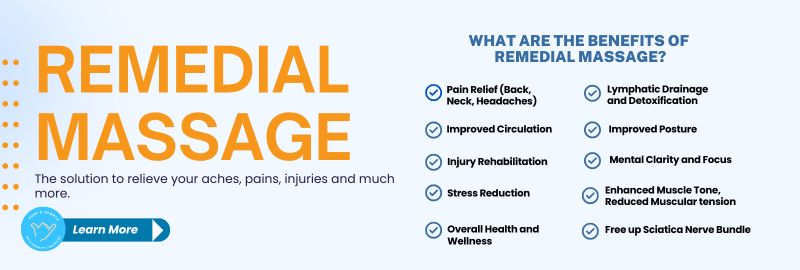
Benefits of pregnancy massage and benefits of remedial massage may include:
- Pain relief for back pain and lower back pain
- Help to relieve tension and ease muscle tension
- Relaxation and reduced psychological stress
- Support for sleep and overall well-being
- Reduced swelling in some people, using gentle techniques aimed at blood flow and the circulatory system
Massage offers support for pain management. It’s not a cure-all, and it shouldn’t replace medical care when red flags are present.
What a trained therapist may do (and what to expect)
A qualified pregnancy massage therapist will usually:
- Ask about your trimester, symptoms, and any women’s health concerns
- Check what movements or positions trigger discomfort
- Use pregnancy-safe massage techniques and adjust pressure
- Set you up in a safe and comfortable environment with a pillow or cushion so you can relax throughout the massage
They should explain what they’re doing and invite feedback. If anything feels wrong, speak up. Comfort and safety come first.
Common areas treated (and how)
Depending on what you’re dealing with, massage can offer support for:
- Lower back and pelvis: gentle soft-tissue work to relieve tension
- Glutes and hips: work that may help when sciatica is associated with pregnancy (often from irritated nerve tissue or tight muscles)
- Neck and shoulder: easing muscle tension that builds from postural changes
- Legs and feet: light work for discomfort and swelling (edema), where appropriate
When to avoid or postpone massage
Skip massage when pregnant and contact your health professional if you have:
- Vaginal bleeding, fluid leakage, or severe abdominal pain
- Fever or signs of infection
- Severe headache, visual changes, sudden swelling, or high blood pressure concerns
- Chest pain, shortness of breath, or calf pain/swelling
- Reduced fetal movement or anything that worries you
If you have a higher-risk pregnancy, a history of miscarriage, clotting concerns, or other medical issues, get explicit clearance first.
How to combine massage with physio, Pilates, and post-natal care
Massage therapy can sit alongside physiotherapy, physio-led exercise, Pilates or clinical pilates, and pelvic floor work. For many mums-to-be, the best results come from combining hands-on care (to relieve pain and muscle tension) with movement and strength work (to support the changing body).
After childbirth, postnatal massage and a physio check can help you transition back to exercise safely.