

Shoulder pain can make the basics annoying: reaching overhead, sleeping on your side, lifting at the gym, and even getting a shirt on. If you’ve got sore shoulders from desk work, training, or a flare you can’t explain, you’re usually trying to do two things: decrease pain now and stop it from coming back.
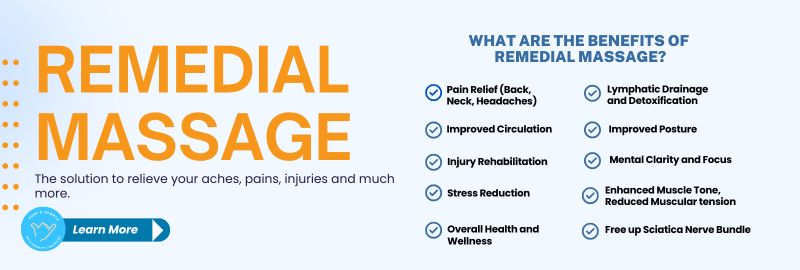
Remedial massage therapy is targeted hands-on care for soft tissue (muscle, tendon, and fascial layers). It may help with therapy for shoulder pain by reducing sensitivity, easing muscle tightness, and improving range of motion for days at a time.
Best outcomes usually come from combining soft tissue massage and exercise, plus better load management and poor posture fixes. If you have red flags (major trauma, new weakness, paresthesia, fever, or unexplained swelling), get assessed first.
Why your shoulder is acting up
The shoulder joint is built for motion, which makes it ideal for sport and daily life and easy to irritate when the load climbs faster than your tissues can handle.
Common causes of shoulder pain we see:
- Desk work patterns that pull you into a forward head and rounded shoulders position
- Repetitive overhead work or sport
- A sudden jump in training load
- Neck and shoulder tension that builds during stress
- Stiffness through the thorax and upper back that changes shoulder blade mechanics
Why it matters: If the cause of shoulder pain is mostly load and habits, hands-on care can help symptoms, but pain management is limited unless the inputs change.
When you should get checked first
Sometimes shoulder pain is not a simple muscle issue.
Get checked promptly if you have:
- Pain after a fall, collision, or whiplash
- New weakness, spreading numbness, or paresthesia down the arm
- Severe night pain that is not settling
- Fever, feeling unwell, or unexplained weight loss
- Marked swelling, redness, or heat
Rare but serious events have been reported with overly forceful neck work in the presence of injury, including vertebral artery damage and stroke. If you feel dizzy or unwell or get new neurological signs after treatment, seek urgent care.
Why it matters: These signs and symptoms can point to a musculoskeletal disorder that needs different decisions than applying pressure to sore tissue.
What remedial massage therapy is really for
Remedial massage aims to find the likely source of pain and treat the tissues that are driving it, not just the spot that hurts.
It’s usually used for:
- Shoulder problems that behave like overload, strain, or movement sensitivity
- Neck and shoulder pain patterns where referred pain is part of the picture
- Sore shoulders that keep returning with the same work or training routines
It’s not:
- A stand-alone diagnosis
- A guaranteed fix for every shoulder problem (for example, adhesive capsulitis of the shoulder often needs a broader plan)
Why it matters: Clear expectations help you choose an effective treatment and avoid wasting time.
Techniques that tend to work (and why)
A professional massage therapist will choose massage techniques based on irritability, tissue tolerance, and your goals. In practice, most treatment of shoulder pain is a mix.
Deep tissue work (when appropriate)
Slower, firmer strokes can help shoulder tightness that has been hanging around for months. The goal is tolerable pressure that improves motion, not a session that leaves you flared up.
Why it matters: Too much intensity can increase soreness and guarding, which can slow recovery.
Trigger point therapy
Trigger point therapy targets hyperirritable myofascial trigger point areas, often felt as muscle knots. Treatment commonly uses sustained compression for 30 to 90 seconds, sometimes with gentle movement.
Common areas include the upper trapezius and the trapezius or levator scapulae region, which can refer pain into the neck and shoulder.
Why it matters: Referred pain can make it feel like the shoulder is the only issue when neck and shoulder pain is part of the pattern.
Myofascial release and fascial work
Myofascial release uses sustained, gentle pressure to address fascial restrictions. For shoulder pain, this can include the chest, upper back, and tissues around the shoulder blade.
Why it matters: If the shoulder blade cannot glide well, the shoulder often compensates and gets irritated.
Shoulder blade and upper back work
Even when pain feels front of shoulder, the upper back and shoulder blade muscles often need attention. This can include posterior shoulder tissues and rotator cuff-adjacent muscle.
Why it matters: Better scapular control often improves how the shoulder loads during lifting and overhead work.
Neck and shoulder massage (when it fits)
Some shoulder pain is tied to neck pain and neck and shoulder tension. In those cases, a neck and shoulder massage approach can help settle the system.
Why it matters: If the neck is feeding the shoulder, treating only the shoulder can miss the driver.
What to expect at Surf Sports Myob
A good session should feel structured.
You can expect :
- A short history: what started it, what flares it, what settles it
- Movement checks: what hurts, what’s limited, what feels weak
- Hands-on work matched to your tolerance
- A simple plan for the next 7 days
Why it matters: Treatment should change based on your response, not a fixed script.
How many sessions do you need?
There’s no universal number. A rough guide:
- A mild flare from overload may settle in a few sessions
- Chronic pain patterns often need a short block of care, then tapering
A useful checkpoint: if you feel no meaningful change after 2 to 3 sessions, the plan should change. That might mean different techniques, different timing, or a referral to physical therapy.
Why it matters: Progress should be measurable.
Aftercare that actually helps
Techniques you can try between sessions:
- Reduce the thing that’s flaring it (volume, overhead work, heavy pressing)
- Keep the shoulder moving in a comfortable range
- Use heat for general tightness; consider ice if it’s clearly irritated after activity
- Sleep setup: avoid long periods on the sore side; hug a pillow to support the arm
- Add exercise for the treatment: simple pulling, external rotation, and scapular control work, progressed gradually
A massage ball can be useful for self-care on the upper back and shoulder blade area. Use a wall, go gentle, and avoid bony areas.
Why it matters: The effectiveness of soft tissue massage improves when you stop re-irritating the tissues between visits.
FAQs
Is remedial massage an effective option for shoulder pain?
It can be, for non-specific shoulder pain driven by overload, muscle tightness, and movement sensitivity. It is usually most helpful when paired with exercise and load changes.
Can shoulder massage help shoulder impingement syndrome?
It may help symptoms by reducing surrounding tension and improving movement. Many people do best with a combined approach that includes exercise and, when needed, physical therapy guidance.
What if my shoulder pain is coming from my neck?
If neck pain, headaches, or arm symptoms are part of the picture, the plan should consider the cervical region and nerve sensitivity. A combined neck and shoulder approach may help.
Is deep tissue supposed to hurt?
No. Strong pressure can be okay, but sharp pain is a stop sign.
How often should I book?
Frequency depends on irritability and goals. Many people start closer together, then space sessions out as symptoms settle.
What can I do at home between sessions?
Use simple self-care, a gentle massage ball routine, and progressive exercise. If symptoms worsen or you get neurological signs, get checked.
Quick facts about remedial massage therapy for shoulder pain
Remedial massage therapy is a targeted therapy that focuses on soft tissue to support pain relief and movement.
What it usually involves:
- Uses multiple massage techniques, including trigger point therapy, myofascial release, and deeper work when appropriate
- Often treats the shoulder, neck, and upper back as one connected system
- Works best alongside exercise, stretching, and load management
How it connects to related care:
- Shoulder impingement syndrome, rotator cuff irritation, and repetitive strain injury can change how the shoulder loads
- Myofascial trigger point sensitivity can refer pain into the shoulder and neck
- Poor posture and desk work can increase neck and shoulder tension
- Physical therapy can guide exercise for the treatment and help with longer-term function
Quick facts:
- Some research suggests soft tissue massage and exercise together can help treatment of non-specific shoulder pain.
- Results are often short-term at first, then improve with consistency.
- Moderate pressure is often enough; too much can flare symptoms.
- If you have red flags, get assessed before hands-on care.
Opening hours: Monday–Friday 08:00–19:00 | Saturday 08:00–16:00 Location: 3/14 Thomas St, Noosaville QLD 4566

About the Author
Gary Javonena is the founder of Surf & Sports Myotherapy and holds an Advanced Diploma of Myotherapy from RMIT University.
Gary’s clinical work includes the assessment of complex musculoskeletal presentations in which referred pain, postural dysfunction, and systemic contributors intersect — including cases in which gastrointestinal function directly contributes to lumbar pain patterns. Meet the full team.
Related posts
Why Your Remedial Massage Session Includes Stretching (And What It’s Actually Doing)
Stretching inside a remedial massage session is a targeted technique, not a filler add-on. At Surf...
Myofascial Release Techniques Used in Remedial Massage
Myofascial release is a manual therapy technique that targets the fascia, the connective tissue...

Alcohol and Muscle Recovery: What Happens to Your Body the Day After Drinking
Most people are aware that drinking heavily the night before training is not ideal. What is less...