
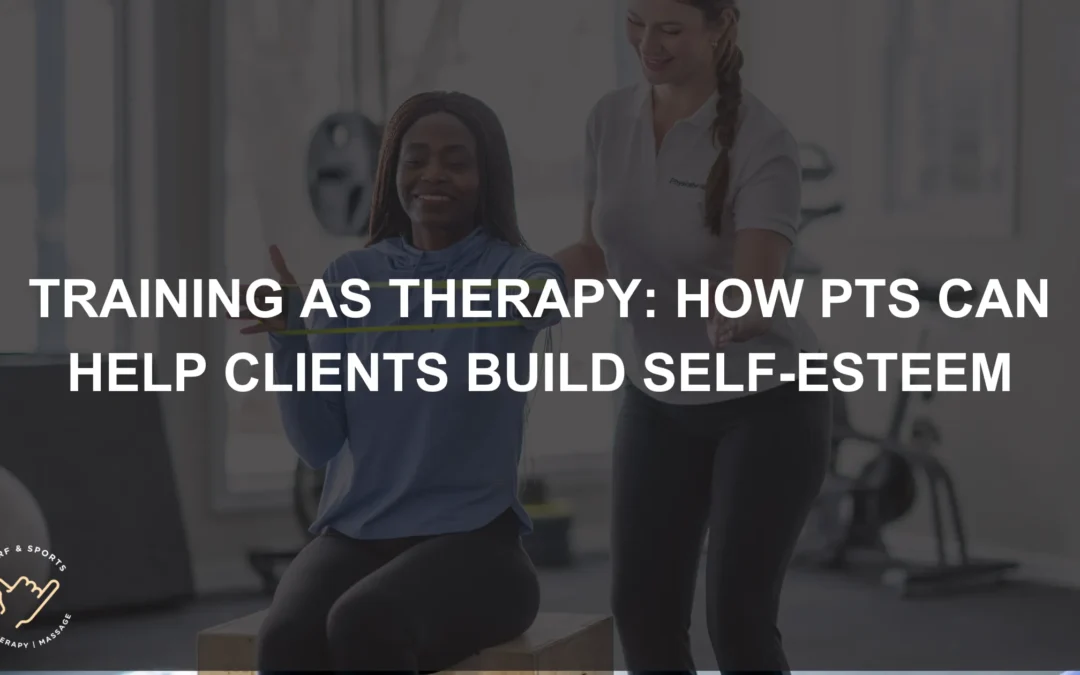
Personal trainers do more than count reps and plan workouts. In Australia, fitness professionals are becoming key allies for both body and mind, turning regular workouts into opportunities for transformation.
Studies show that self-belief drives success in health goals. When you conquer a tough exercise or hit a new milestone, your brain celebrates. This boosts both mental and physical strength.
Exercise connects body and mind in powerful ways. It reduces stress and anxiety while building self-esteem with every step forward. Trainers who understand this can help clients overcome self-doubt and discover genuine self-worth.
With the right programs, support, and goals, trainers help clients see themselves differently. They become guides for growth, where body and mind strengthen together.
Key Takeaways
- Personal trainers address both physical and mental wellbeing through structured exercise programs
- Self-efficacy—belief in one’s ability to succeed—drives motivation and achievement in fitness
- Physical improvements directly reduce stress and anxiety while strengthening emotional resilience
- Consistent movement with supportive coaching creates positive feedback loops that reshape self-perception
- Achievable fitness milestones provide measurable evidence of capability, countering self-doubt
The Psychological Power of Physical Fitness
Movement and mental health are closely linked. Fitness training can improve mental health in ways that extend beyond appearance.
Personal trainers play a key role in this transformation, helping clients improve physically and mentally. By understanding how bodies and minds connect, trainers create programs that boost self-confidence.
Understanding the Mind-Body Connection in Training
Physical activity changes our brains and hormones, improving mental wellbeing. Regular exercise helps our brains adapt in ways that support mental health, meaning fitness can improve emotional state.
Exercise teaches patience and persistence, building emotional strength. It helps us handle stress better, while improved mental state accelerates physical fitness gains.
Psychological Dimension | Immediate Benefits | Long-Term Transformations |
Hormonal Response | Endorphin release during workout | Regulated cortisol levels, reduced stress |
Emotional Regulation | Temporary anxiety reduction | Enhanced resilience, better coping mechanisms |
Cognitive Function | Increased mental clarity | Improved neuroplasticity, sharper decision-making |
Behavioral Patterns | Sense of accomplishment | Consistent self-discipline, positive habits |
How Exercise Transforms Mental Wellbeing Beyond Weight Loss
Many people start training to improve appearance, but the real change happens mentally. Exercise acts as a natural mood booster, changing brain chemistry for the better.
Exercise releases endorphins, creating happiness and reducing stress. It lowers cortisol levels, helping you feel more confident and in control. Regular exercise also improves sleep, boosting mood and mental clarity.
Trainers who focus on mental growth help clients find deeper motivation. Seeing how exercise improves mental state motivates continued effort.
From Self-Doubt to Self-Confidence Through Consistent Movement
Regular exercise helps people overcome self-doubt. Each workout proves capability, building confidence. Getting stronger through exercise boosts self-belief, showing you can handle challenges in all life areas.
Building confidence takes time and effort. With regular exercise, clients start seeing themselves as capable and resilient. This represents the most profound change fitness training can bring.
Confidence Building Personal Training: A Holistic Approach
Confidence building personal training combines emotional support with physical training. It recognises that lasting fitness success requires internal change as much as external. Trainers create safe spaces for clients to experiment, make mistakes, and celebrate genuine wins.
This approach considers the whole person, not just the body. It recognises how someone’s fitness journey reflects their deeper self-beliefs.
What Makes Confidence-Focused Training Different
Traditional personal training focuses on physical results like weight loss or muscle gain. Confidence-focused training also values the client’s inner journey.
Key elements include:
- Process-oriented methodology: Celebrating effort, consistency, and small wins.
- Self-efficacy application: Programs that help clients prove to themselves they can succeed.
- Psychological safety creation: Spaces where vulnerability is welcome and perfectionism is gently challenged.
- Mindfulness integration: Exercises that help clients tune into their bodies without judgment.
- Language consciousness: Empowering words that avoid comparisons and focus on individual progress.
This approach builds lasting change by addressing psychological barriers. When clients feel confident and capable, they maintain fitness goals long-term.
Tailoring Fitness Plans to Address Both Physical and Emotional Goals
Effective confidence building personal training tailors programs to meet both physical and emotional needs. A good fitness plan considers what exercises a client needs and what experiences will support emotional growth.
Physical goals might include:
- Building functional strength for daily activities
- Improving cardiovascular endurance
- Enhancing flexibility and mobility
- Achieving specific body composition changes
Emotional goals often involve:
- Developing trust in body capabilities
- Reducing anxiety around physical challenges
- Overcoming fear of judgment in group settings
- Building self-worth independent of appearance
The art of tailoring lies in designing sessions that advance both goals simultaneously. For example, mastering a challenging exercise builds physical strength while proving to clients they can do things they thought impossible.
Recognising the Signs of Low Self-Esteem in Your Clients
Identifying low self-esteem helps trainers provide appropriate support. Self-esteem is about feeling worthwhile as a person, while self-confidence is about believing in one’s ability to succeed at specific tasks.
Common Indicators During Training Sessions
Watch for these signs:
- Excessive apologising: Frequent apologies for perceived poor performance
- Persistent negative self-talk: Comments like “I’m so unfit” or “I’m terrible at this”
- Achievement minimisation: Downplaying progress or deflecting compliments
- Reluctance toward new challenges: Strong resistance to trying new exercises
- Unfavourable comparisons: Constantly comparing themselves to others
- People-pleasing tendencies: Agreeing to inappropriate workout intensities to avoid disappointing the trainer
Body language also provides clues. Clients with low self-esteem might slouch, avoid eye contact, or make themselves smaller.
How Negativity and Self-Doubt Manifest in the Gym
The gym can intensify feelings of inadequacy.
Specific manifestations include:
- Mirror avoidance: Refusing to look at reflections
- Concealing clothing choices: Wearing baggy or layered clothes to hide their body
- Spatial positioning: Choosing corners or less visible areas
- Paralysing perfectionism: Refusing to try exercises unless they can perform them perfectly
- Expressed fear of judgment: Worrying about what others think
- Obsession with perceived imperfections: Harsh focus on specific body parts or abilities
Understanding that these behaviours stem from feelings of worthlessness, not actual inadequacy, helps trainers respond with compassion.
Practical Strategies to Help Clients Gain Confidence
Building confidence starts with structured methods that turn intimidation into success. Personal trainers use evidence-based psychology and fitness principles to help clients.
Setting Achievable Fitness Goals That Build Momentum
Goal-setting is key in building confidence. Personal trainers help clients set realistic goals that lead to success experiences. Research shows achieving meaningful goals boosts confidence most effectively.
Effective goals balance challenge and achievability. They push clients beyond comfort zones without overwhelming them.
Starting Small to Overcome Gym Intimidation
Many clients feel anxious when starting fitness programs. Personal trainers can reduce these barriers strategically.
Start with manageable commitments for immediate wins. Begin with short training sessions rather than long ones. Private or semi-private training reduces social anxiety. Choose simple exercises early on that clients can master quickly.
Celebrating Progress Through Trial and Error
View setbacks as learning opportunities. Personal trainers who embrace trial and error help clients develop resilience.
Celebrate effort, consistency, and learning—not just perfect performances. Document small successes to provide tangible evidence of progress. Tracking improvements creates a visible record of capability.
Creating a Supportive and Personalised Training Environment
The training environment encompasses more than physical space. It’s the emotional atmosphere created through trainer-client interactions.
Building Rapport From the First Check-In
Trust starts with initial interactions and grows through consistent, authentic engagement. Personal trainers who show genuine interest in clients’ lives beyond fitness build stronger rapport.
Active listening is crucial. This means giving full attention, asking clarifying questions, and reflecting back what clients share. Validate client concerns and fears to establish credibility.
Regular communication has significant impact. Studies show between-visit check-ins doubled patient-perceived success rates, with clients receiving consistent communications experiencing 94% success rates compared to 67% without regular contact.
Using Constructive Feedback to Empower, Not Discourage
Feedback delivery influences whether clients feel empowered or diminished. Focus on specific behaviours rather than character judgments.
Balance corrective feedback with genuine praise. Research suggests approximately three positive comments for every corrective observation creates optimal learning conditions.
Frame corrections as pathways to success. “Let’s adjust your grip to help you achieve better results” positions correction as helpful rather than critical.
Teaching New Exercises and Skills to Boost Self-Confidence
Skill acquisition provides powerful confidence-building experiences. When clients learn new exercises and master physical tasks they previously couldn’t perform, they develop belief in their capacity to learn and improve.
Mastering Fundamental Movements Like the Squat
The squat exemplifies how teaching fundamental movements builds confidence through progressive mastery. Initial teaching focuses on bodyweight execution with proper form.
Progress to loaded squats—goblet squats, then barbell variations—to provide clear advancement markers. Each progression represents a new skill level achieved.
Progressing Clients Through Cardio and Strength Training
Systematic progression through cardio and strength protocols maintains appropriate challenge levels. Cardio progression might begin with walking intervals, advance to continuous walking, then incorporate jogging segments.
Strength training progression follows similar principles. Begin with machine-based exercises, transition to free weights, then advance to compound movements.
Documentation of improvements provides concrete evidence of capability. Recording weights, repetitions, times, and distances creates an objective progress log that directly counters self-doubt.
The Personal Trainer as Coach, Mentor and Accountability Partner
Personal trainers are more than fitness experts. They act as coaches, mentors, and accountability partners, making the trainer-client relationship more impactful.
Establishing Trust and Professional Rapport With Clients
Trust is essential in any successful trainer-client relationship. Demonstrating reliability builds trust. Trainers who show up on time, remember client preferences, and keep promises earn credibility.
Authentic connection makes rapport stand out. Share personal experiences to help clients feel understood. Maintain professional boundaries by respecting confidentiality and focusing on client goals.
Providing Consistent Support Through Regular Check-Ins and Schedules
Accountability partnerships work best with ongoing support. Regular check-ins improve adherence and outcomes. Text messages, emails, or app-based communication maintain connection.
Schedule consistency reduces decision fatigue and builds sustainable habits. Training at the same time each week makes exercise a non-negotiable commitment.
Helping Clients Assert Their Fitness Journey and Overcome Imposter Syndrome
Many clients struggle with imposter syndrome, believing they don’t belong in fitness spaces. Effective trainers help clients take ownership of their fitness journey.
Help clients shift from “I’m trying to exercise regularly” to “I am someone who exercises.” This transforms fitness into an internal characteristic.
Evidence-based tracking supports this process. Detailed progress records provide concrete proof clients can’t dismiss as flukes.
Working With Small Groups Versus One-on-One Training Sessions
The choice between small group training and individual sessions impacts confidence-building outcomes.
Small group settings provide vicarious learning experiences. Watching peers attempt challenging exercises normalises struggle. Group dynamics also create natural accountability structures.
One-on-one sessions offer personalised attention benefiting clients with significant gym anxiety or body image concerns. Privacy allows vulnerable conversations about fears and insecurities.
Some trainers successfully implement hybrid approaches combining both formats. Clients might attend one individual session weekly for personalised programming, then participate in small group sessions for additional practice and social connection.
Developing Your Personal Training Career to Empower Clients
Becoming a personal trainer who empowers clients requires understanding the Australian fitness industry. You need proper qualifications, ongoing learning, and knowledge to help both physically and mentally.
Essential Qualifications for Personal Trainers in Australia
To help people build self-esteem, you must first get certified. Australian gyms and insurance require specific qualifications.
SIS40221 Certificate IV in Fitness and Diploma Pathways
The SIS40221 Certificate IV in Fitness is the standard qualification for personal trainers in Australia. It covers exercise science, program design, client assessment, and professional practice. Most programs take six to twelve months to complete.
After foundational certification, many trainers pursue a diploma for advanced knowledge. A Diploma in Sport and Recreation Management provides deeper expertise in program design and business operations.
Professional Development to Specialise in Confidence-Based Training Methods
Getting certified is just the start. Professional development helps you stand out.
Several development paths enhance your ability to address self-esteem:
- Motivational interviewing and basic counselling skills training
- Sports psychology for understanding performance anxiety and goal-setting
- Cognitive-Behavioral Therapy principles for identifying and challenging negative thought patterns
- Trauma-informed training for creating safe environments
Learning How to Identify and Address Client Mindset Challenges
Developing skill to identify and address mindset challenges takes practice and learning. Recognise cognitive distortions like all-or-nothing thinking or catastrophising.
Understanding self-efficacy theory impacts client outcomes. Ask about potential barriers to their belief in their ability to succeed.
Building mentoring relationships with experienced trainers accelerates development. Regular supervision or peer consultation strengthens clinical judgment over time.
Building a Practice That Helps People of All Ages and Abilities
An inclusive practice serves people of all ages and abilities while creating social impact. Confidence-building approaches are valuable for underserved populations.
Older adults returning to exercise often feel inadequate. Create welcoming environments that celebrate their courage to start. Individuals with disabilities face physical and psychological barriers. Adapt exercises to empower clients to focus on capabilities rather than limitations.
Specialising in confidence-based training doesn’t limit your practice. It means developing expertise that makes services accessible and effective for diverse clients.
Conclusion
Self-esteem grows slowly and affects every part of our lives. Personal training supports this growth through structured exercise and supportive relationships. Trainers who see confidence as a skill to build can change lives profoundly.
Great trainers do more than count reps or plan workouts. They build trust, offer guidance, and celebrate progress. In Australia, trainers who grow professionally by learning about psychology are making significant impact.
There’s solid proof that fitness programmes build confidence. Every workout, mastered exercise, and goal achieved contributes to confidence that extends far beyond the gym.
Opening hours: Monday–Friday 08:00–19:00 | Saturday 08:00–16:00 Location: 3/14 Thomas St, Noosaville QLD 4566

About the Author
Gary Javonena is the founder of Surf & Sports Myotherapy and holds an Advanced Diploma of Myotherapy from RMIT University.
Gary’s clinical work includes the assessment of complex musculoskeletal presentations in which referred pain, postural dysfunction, and systemic contributors intersect — including cases in which gastrointestinal function directly contributes to lumbar pain patterns. Meet the full team.
Related posts

How Remedial Massage Improves Blood Flow and Healing
Remedial massage improves blood flow by combining mechanical pressure with muscle relaxation, both...

Combining Remedial Massage with Dry Needling: Enhanced Results
Remedial massage and dry needling target the same problem from two different angles, and when used...
How Remedial Massage Therapists Assess Muscle Imbalances
A remedial massage assessment is what separates a targeted treatment plan from a generic rubdown....